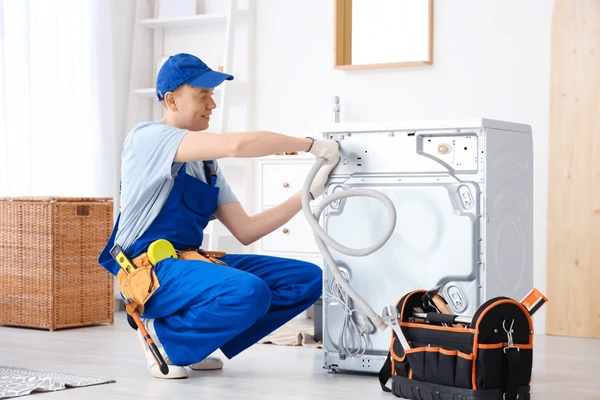
Washer & Dryer Repair in Watertown, MA
Appliance Repair for Homes & Businesses in Watertown, Nonantum, New Town, Auburndale, Massachusetts and Nearby Areas
Washer and Dryer Repair in Watertown, Massachusetts | Appliance Repair Pros
A broken washer or dryer in Watertown can instantly disrupt your weekly routine, turning a manageable chore into a logistical headache. Whether you are managing laundry for a family in a multi-story home near Common Street or living in a condo in Nonantum where space is tight, you need your laundry machines to work efficiently. Appliance Repair Pros provides specialized washer and dryer repair services to homeowners throughout Watertown, Auburndale, and Newton Corner. We address common frustrations like washing machines that refuse to spin, dryers that run but produce no heat, and units that shake violently enough to disturb your neighbors. Our team understands the specific challenges of local laundry setups, from tight closet installations to basement hookups with aging plumbing. We arrive prepared to diagnose the issue accurately, treating your home with respect and getting your laundry room back in action. Contact us today to restore order to your laundry day.
Washer and Dryer Repair Services in Watertown
Laundry appliances are the heaviest working machines in the house. They endure high speeds, heavy loads, and significant vibration. When they fail, it is often a mechanical breakdown or a sensor issue that requires a skilled hand to fix. We work on a full range of laundry configurations found in Watertown households.
Laundry systems we work on
- Top loading washing machines (agitator and impeller)
- Front loading high efficiency washers
- Gas dryers
- Electric dryers
- Stackable laundry units and laundry centers
- Compact apartment-sized washers
- Ventless and condensing dryers
- Pedestal mounted units
What makes washer and dryer repair tricky
- Balancing Mechanics: Modern washers spin at extremely high RPMs, requiring precise suspension and leveling.
- Gas Safety: Gas dryers require checking ignition coils, flame sensors, and gas valve operation.
- Venting airflow: A dryer cannot work without proper airflow; diagnosing this often involves checking external vents.
- Electronic Controls: Main boards monitor motor torque and water levels, often throwing confusing error codes.
- Direct Drive Motors: Many new units lack belts and use complex magnetic stators and rotors.
- Water Seals: Replacing a rear tub bearing or seal involves a complete teardown of the machine.
- Door Locks: Front loaders have safety interlocks that can fail and trap wet clothes inside.
Common Washer and Dryer Problems We Fix
Washer will not drain
You open the lid to find your clothes floating in soapy water. This is one of the most frequent calls we get. It can be caused by a blockage or a mechanical failure in the drain system.
Likely causes
- Sock or small item stuck in the drain pump
- Failed drain pump motor
- Clogged drain filter (coin trap)
- Broken lid switch preventing the drain cycle
- Kinked drain hose
How we diagnose it
We listen to the pump to see if it is humming (jammed) or silent (dead). We inspect the coin trap filter, often located behind a small door on front loaders, to remove debris.
What you can do right now
Check the drain hose behind the machine to ensure it is not pinched against the wall. If you have a front loader, check the small access door at the bottom front for a cleanout filter.
Dryer is not heating
The drum turns, but the clothes come out cold and wet after an hour. In Watertown, where we see a mix of gas and electric dryers, the cause depends heavily on the power source.
Likely causes
- Burned out heating element (Electric)
- Weak gas valve coils (Gas)
- Blown thermal fuse
- Tripped circuit breaker
- Igniter failure (Gas)
How we diagnose it
For electric units, we test the element for continuity. For gas units, we observe the burner assembly to see if the igniter glows and if the gas valve snaps open. We always check the thermal fuse, which blows if the vent is clogged.
What you can do right now
Check your breaker panel. Electric dryers have two fuses/breakers; sometimes one trips, allowing the motor to run but cutting power to the heater.
Washer is shaking or vibrating violently
If your washer sounds like a helicopter taking off, it is a balance issue. This is especially problematic in second-floor laundry rooms or condos where vibration travels.
Likely causes
- Worn suspension rods or springs
- Degraded shock absorbers
- Uneven legs or floor
- Counterweight loose (Front loaders)
- Rear bearing failure
How we diagnose it
We press down on the tub to test the “bounce” of the suspension rods. We spin the tub by hand to feel for roughness in the bearings. We also check the leveling feet.
What you can do right now
Try to rock the machine. If it wobbles, adjust the front legs until it sits firm on the floor. Ensure the load is balanced; washing a single heavy blanket often causes this.
Dryer is making loud squeaking or thumping noises
A noisy dryer is annoying and usually indicates parts are wearing out physically due to friction and heat.
Likely causes
- Worn drum rollers
- Idler pulley seizure
- Worn drum bearing or glides
- Object caught in the blower wheel
- Frayed drive belt
How we diagnose it
We disassemble the cabinet to inspect the rollers and pulleys. A rhythmic thump is often a flat spot on a roller. A high-pitched squeal is usually the idler pulley.
What you can do right now
Check the inside of the drum for loose change or buttons stuck in the baffles. If the noise is mechanical, stop using the unit to prevent the belt from snapping.
Washer smells like mildew
This is common in front-loading washers in humid environments. Water gets trapped in the folds of the door gasket, leading to mold growth.
Likely causes
- Mold in the door boot seal
- Clogged drain filter holding stagnant water
- Using too much detergent
- Washing only with cold water
How we diagnose it
We inspect the grey rubber seal for black spots. We also check the drain pump housing for trapped debris that might be rotting.
What you can do right now
Wipe out the door seal after every use. Leave the door slightly ajar to let the drum dry. Run a “Clean Washer” cycle with bleach or a specialized tablet.
Washer will not spin
The water drains out, but the clothes are still soaking wet because the final high-speed spin never happened.
Likely causes
- Broken lid switch or door lock
- Worn motor coupler or clutch
- Stretched drive belt
- Motor control board failure
- Shifter assembly failure
How we diagnose it
We bypass the lid switch to see if the motor engages. On modern units, we check the error codes to see if the shifter actuator is failing to engage the spin gear.
What you can do right now
Redistribute the load. If the clothes are bunched on one side, the machine’s safety sensors will prevent it from spinning fast.
Dryer takes too long to dry
If you have to run the dryer two or three times to dry a load, the issue is almost always airflow.
Likely causes
- Clogged dryer vent pipe in the wall
- Crushed flexible vent hose behind the unit
- Lint screen blockage
- Blower wheel covered in lint
- Moisture sensor failure
How we diagnose it
We disconnect the vent from the back of the dryer and run a test load. If it dries quickly, the problem is in your home’s ductwork, not the machine.
What you can do right now
Clean your lint screen before every load. Check the hose behind the dryer to make sure it isn’t smashed against the wall.
Water leaking onto the floor
Leaks can cause significant damage to subfloors and ceilings. Finding the source requires careful inspection.
Likely causes
- Cracked fill hoses
- Leaking water inlet valve
- Drain pump housing crack
- Tub-to-pump hose leak
- Door boot seal rip
How we diagnose it
We look for water trails inside the cabinet. We check the hot and cold hoses at the connection points for worn washers.
What you can do right now
Turn off the water supply faucets behind the washer immediately. Wipe up the water to prevent slipping.
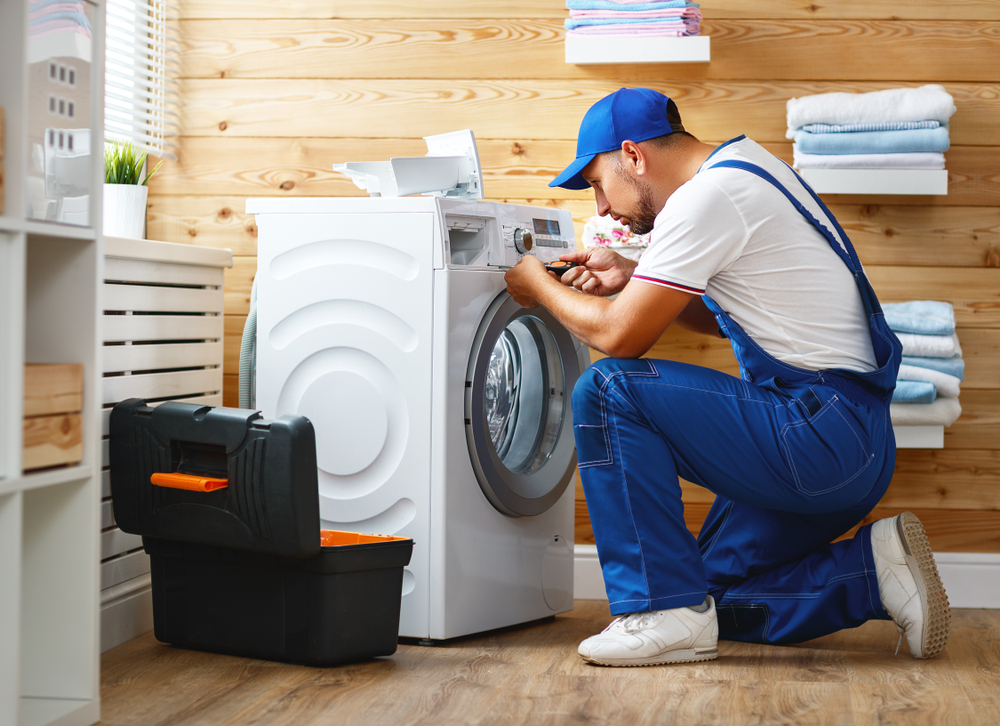

Safety Notes for Washer and Dryer Issues
Laundry appliances combine water, high-voltage electricity, and combustible gas (for gas dryers). This trifecta creates specific safety risks that homeowners should respect.
- If you smell gas near the dryer do this first: Shut off the gas valve on the line feeding the dryer. Open windows to ventilate the area and leave the room. Do not flip light switches.
- If the washer is overflowing do this first: Turn off the water supply faucets on the wall. If you cannot reach them, turn off the main water to the house.
- If you verify a burning smell do this first: Stop the machine and unplug it. This could be a motor overheating or a belt melting due to friction.
- If the dryer is extremely hot to the touch do this first: This suggests a clogged vent trapping heat. Stop using it immediately to prevent a lint fire.
- If you get a shock from the metal cabinet do this first: Unplug the unit. This indicates a serious grounding failure where live electricity is touching the frame.
Brands We Service for Washer and Dryer Repair in Watertown
We service the workhorses found in basements and the high-tech units found in modern closets. We understand the engineering differences between American belt-driven units and Asian direct-drive systems.
Whirlpool family and similar designs (Whirlpool, Maytag, KitchenAid, Amana)
These are the most common units in Watertown. Older top loaders are famous for their direct drive system (no belt), while newer ones use a “V-M” plate system. They are generally reliable but have specific wear points like the “dogs” in the agitator.
Common issues we see with these models
- Agitator not moving (stripped dogs)
- Lid lock clicking but not locking
- Motor coupling breaking (older models)
- F51 error codes (Rotor position sensor)
Why diagnosis matters
On the newer vertical modular washers, a “not spinning” issue is often a $50 actuator, not a $200 motor. Accurate testing saves money.
GE family (GE, Hotpoint, and related lines)
GE top loaders often use a specific “inverter” board on the motor itself. Their front loaders are robust but prone to specific vibration issues if the shocks wear out.
Common issues we see with these models
- Loud roaring noise in spin (Tub bearing)
- Inverter board failure
- Water not filling (Valve screen clogging)
- Dryer knob stripping
Why diagnosis matters
GE units have excellent onboard diagnostic modes. We can often test every component without opening the cabinet if we know the correct button sequence.
Samsung and LG
These brands dominate the front-load market. They use advanced direct-drive motors (no belt) and have many sensors. They are great machines but sensitive to overloading and balance issues.
Common issues we see with these models
- LE or OE error codes
- Door boot seal mold and tears
- Drain pump failure
- Water inlet valve failure
Why diagnosis matters
A “drain error” on a Samsung is often just debris in the pump filter, while on other brands it might be the pump itself. We check the filter first to save you a repair bill.
Frigidaire and Electrolux
Common in laundry centers (stacked units) in apartments. They are compact and efficient but have known issues with door latches and lint buildup inside the cabinet.
Common issues we see with these models
- Dryer squeaking (Rear bearing ball and socket)
- Door latch breaking
- Washer not spinning dry enough
- Lint buildup on the blower wheel
Why diagnosis matters
The “ball and hitch” rear bearing on these dryers requires lubrication, not just replacement. Knowing this prevents the squeak from returning in a month.
Understanding Common Laundry Error Codes
When your washer or dryer flashes a code, it is asking for help. These codes guide our diagnostics but require verification.
- F01 / E01 (Whirlpool/Maytag): Main control board failure.
- LE (LG/Samsung): Locked Motor error. Can be a heavy load or a bad hall sensor.
- OE / 5E (LG/Samsung): Drain error. The water isn’t leaving the tub fast enough.
- UE / Ub: Unbalanced load. The machine failed to redistribute wet clothes.
- F7 / E1 (Whirlpool): Motor speed sensing error.
- dE / dO: Door error. The lock isn’t engaging.
- F-Code on Dryer: Usually indicates a restricted vent or thermal sensor issue.
- Sud / Sd: Suds lock. Too much detergent is preventing the basket from spinning.
Maintenance Tips for Washer and Dryer Owners in Watertown
Preventative maintenance is the best way to avoid emergency calls. A few simple habits can extend the life of your appliances significantly.
- Clean the dryer vent yearly: This is critical for fire safety. Disconnect the hose and vacuum it out, or hire a professional if the run is long.
- Use HE detergent sparingly: You only need 2 tablespoons of High Efficiency detergent. Excess soap creates sludge that damages pumps and seals.
- Leave the washer door open: After a cycle, leave the door or lid ajar to let moisture evaporate and prevent mildew smells.
- Replace rubber hoses: If your fill hoses are black rubber and over 5 years old, replace them with stainless steel braided hoses to prevent burst floods.
- Clean the coin trap: Front loaders have a filter at the bottom. Check it every few months for coins, keys, and hair.
- Check pockets: A single metal screw or wire from a bra can destroy a drain pump or puncture a door seal.
- Don’t overload: Your machine needs room to tumble. Stuffing it full strains the motor and suspension, leading to early failure.
- Wipe the sensors: In your dryer, wiping the moisture sensors (metal strips inside the drum) with rubbing alcohol removes dryer sheet residue that can confuse the auto-dry cycle.
Service Area for Washer and Dryer Repair in and Around Watertown, MA
We are a local team dedicated to serving the laundry needs of Watertown and the surrounding villages. From the historic two-family homes near Victory Field to the newer developments along Arsenal Street, we know the area. We understand the challenges of getting appliances into tight basements or second-floor closets common in local architecture.
- Watertown
- Nonantum
- Auburndale
- Newton Corner
- Belmont
- West Cambridge
- Waltham
- Newtonville
- East Watertown
Zip codes we serve: 02472, 02471, 02458, 02466, 02453, 02477
Frequently Asked Questions
Why is my dryer taking two cycles to dry clothes?
This is almost always an airflow restriction. Even if the dryer gets hot, if the moist air cannot escape through the vent, the clothes won’t dry. Check your external vent hood for lint blockage or a crushed hose behind the unit.
Do you work on stacked washer/dryer units?
Yes, we service laundry centers and stackable units. These can be challenging to access, especially in tight closets, but our technicians are experienced in carefully moving them to perform repairs.
Is it worth fixing a 10-year-old washing machine?
If it is a high-quality unit and the repair is minor (like a lid switch or pump), yes. However, if the transmission or main bearing has failed, the cost often outweighs the value. We provide an honest assessment so you can decide.
Why does my front loader smell so bad?
Front loaders seal tightly to hold water in. If used with too much soap and cold water, mold grows behind the drum and in the seal. Run a monthly “tub clean” cycle with bleach and leave the door open between uses.
Can you replace the belt on my dryer?
Absolutely. Belt replacement is a common repair. We also inspect the idler pulley and drum rollers while we are in there, as a snapped belt is often a symptom of another seized part.
Do you repair gas dryers?
Yes, we are fully capable of diagnosing and repairing gas dryers, including ignition coils, flame sensors, and gas valve assemblies.
What does the “UE” code mean?
“UE” stands for Unbalanced Error. The machine tried to spin but sensed the load was off-center. Open the lid, redistribute the wet clothes evenly, and try the “Drain and Spin” cycle again.
Why is my washer walking across the floor?
This usually happens if the leveling legs are not set correctly or if the floor underneath is weak (common in older homes). The lock nuts on the legs must be tight against the chassis to prevent movement.
What should I do before the technician arrives?
Please clear any laundry from the machine. If the washer is full of water, let us know. Clear access to the laundry room so we can move the machine if necessary. If you have pets, please secure them.
Why is my dryer squeaking?
Squeaking is typically caused by worn drum rollers, idler pulleys, or rear bearings. These parts support the heavy drum. When they wear out, metal-on-metal contact creates the noise.
Do you clean dryer vents?
We can clean the flexible hose and the immediate connection at the dryer. For long runs through walls or up to the roof, we recommend a specialized duct cleaning service to ensure it is done thoroughly.
Why is my clothes washer tearing my clothes?
In a top loader, a chipped agitator can snag fabric. In a front loader, a damaged drum paddle or a piece of metal (like a bra underwire) sticking through a drum hole can catch clothes. We inspect the drum carefully for sharp edges.
Conclusion
Appliance Repair Pros is your trusted local partner for keeping your laundry routine running smoothly. We know that a broken washer or dryer causes an immediate backlog of chores. Our team combines safety awareness with deep technical knowledge to fix your appliances correctly. Whether you have a washer that won’t drain or a dryer that won’t heat, we have the expertise to solve it. Reach out to us for assistance and let us get your laundry room back to full capacity.